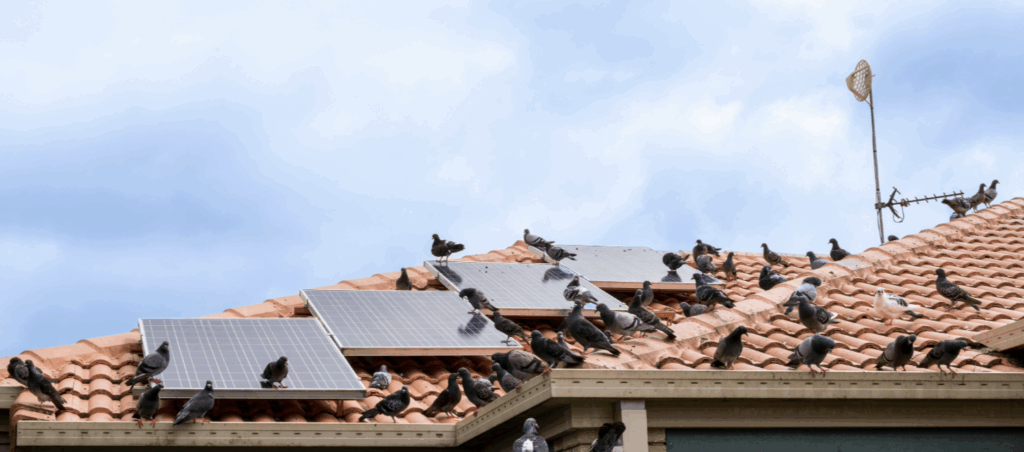
Pigeons may seem harmless when they gather on a roofline, but repeated nesting inside a chimney can create real concerns for the home. Chimneys offer height, shelter, warmth, and protection from predators, which makes them attractive nesting sites for birds looking for a stable place to settle. Once pigeons choose the same chimney repeatedly, the issue usually goes beyond simple nuisance activity.
A chimney blocked by nesting material can affect airflow, create odor, increase sanitation concerns, and attract other pests. Droppings, feathers, debris, and insects connected to nesting sites may also spread around nearby surfaces. Effective wildlife control focuses on identifying the access point, removing nesting conditions properly, and preventing pigeons from returning to the same structure again.
Confirm The Signs Before The Problem Grows
The first step is recognizing whether pigeons are actively nesting or only resting nearby. Pigeons often return to familiar locations, so repeated activity around the same chimney deserves attention. Early signs may be subtle, especially if the nest is hidden inside the flue or below the chimney cap.
- Listen for fluttering, scratching, or cooing sounds near the chimney
- Watch for birds entering or leaving the same opening repeatedly
- Look for droppings collecting around the roofline or fireplace area
- Notice nesting materials, feathers, or debris near the chimney base
- Pay attention to odors that may indicate buildup inside the flue
These warning signs can point to broader wildlife activity around the property. Homeowners who want to understand other indicators can review these wildlife intrusion signs for related clues involving birds and nuisance animals.
Professional evaluation matters because chimney access can be difficult and unsafe without proper equipment. A thorough inspection helps determine whether pigeons are nesting, whether young birds are present, and whether debris is affecting the chimney system.
Understand The Risks Behind Repeated Nesting
Pigeon nests are not just messy. They can interfere with the purpose of the chimney itself. Nesting material can restrict ventilation, trap moisture, and increase the risk of smoke or gases moving improperly when fireplaces or connected systems are used. Droppings may also stain exterior surfaces and create sanitation concerns around roof areas.
Pigeon activity can also attract insects connected to nesting debris. In properties already dealing with ants, roaches, mosquitoes, termites, bed bugs, rodents, skunks, or other wildlife concerns, a chimney nest may become part of a larger pest-pressure pattern around the structure.
- Blocked airflow can affect safe chimney function
- Droppings may create odor and sanitation problems
- Nesting debris can attract insects around the roofline
- Repeated activity may indicate an easy access point
- Moisture and debris can worsen surrounding material concerns
When birds keep returning, the chimney likely provides a reliable shelter point. Removing only visible debris without addressing access may allow the same cycle to start again. A source-based inspection helps identify why pigeons selected that chimney, what contamination may exist, and what prevention steps should be followed after removal.
Focus On Cleanup, Sanitation, And Access Control
Once pigeon activity is confirmed, the next step is developing a safe cleanup and exclusion plan. This process should account for nesting material, droppings, possible insects, and chimney access points. Careful handling protects the structure while reducing repeat nesting.
- Remove nesting material only after activity and timing are assessed
- Inspect the flue, chimney cap, and surrounding roofline for damage
- Clean droppings and debris from affected surfaces carefully
- Disinfect contaminated areas when needed for better sanitation
- Install or repair deterrents that prevent pigeons from reentering
Professional wildlife control helps ensure removal is handled responsibly, especially when active nests or young birds may be involved. Technicians can also identify whether the chimney cap is missing, damaged, loose, or poorly fitted. Those small structural details often explain why pigeons keep returning.
Long-term prevention may involve exclusion devices, deterrents, and maintenance recommendations that match the property. For families considering broader protection, this guide to year-round protection explains why consistent monitoring can reduce recurring pest and wildlife concerns.
Prevention is most effective when it looks beyond the chimney alone. Roof edges, vents, gutters, ledges, and nearby structures can all influence where pigeons rest and nest. If activity continues, professional inspection can identify additional attraction points supporting the problem.
Keep Your Chimney Clear And Protected
Pigeons that keep nesting in a chimney usually need more than a one-time cleanup. The safest approach is to confirm activity, remove nesting material properly, address sanitation concerns, and block future access with long-term prevention in mind. Professional wildlife control helps protect the chimney, roofline, and surrounding property from repeated nesting problems while reducing future debris, odor, insect pressure, airflow issues, and unnecessary chimney damage. For expert pigeon and wildlife support, contact El Valle Pest Control.