Wildlife problems often begin quietly. A skunk may pass through at night, a raccoon may investigate a shed, or small animal tracks may appear near a fence line after rain. At first, the activity can seem temporary, but a yard with food, water, shelter, and easy access can become a dependable stop.
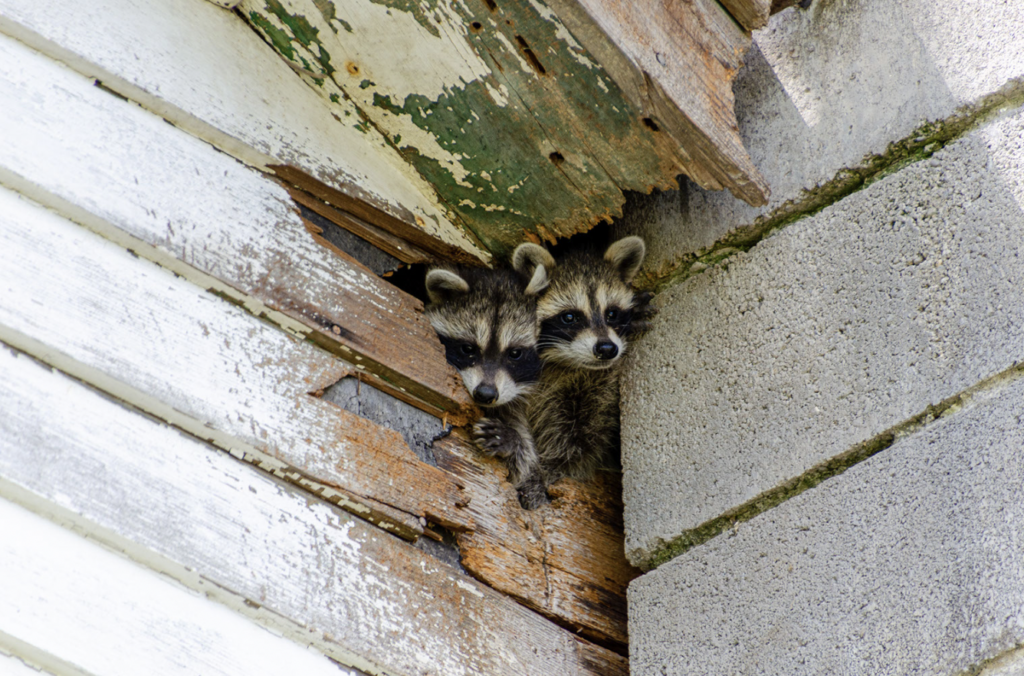
Skunks and raccoons are especially skilled at using residential spaces. They may shelter under decks, crawl space edges, sheds, porches, stacked materials, dense shrubs, or quiet corners near trash and pet food. Effective wildlife control starts with understanding why these animals are choosing the property. The same yard conditions can also support rodents, pigeons, ants, mosquitoes, roaches, termites, bed bugs, lawn pests, and other concerns.
Shelter Usually Starts With Cover
Skunks and raccoons look for protected places where they can rest without constant disturbance. A yard with dense vegetation, open crawl space access, raised decks, sheds, or stored materials can provide that protection.
- Deck gaps can create shaded hiding places near the home.
- Sheds and storage areas may offer dry shelter during weather changes.
- Overgrown shrubs can hide movement along walls and fences.
- Wood piles, boxes, and yard clutter can create safe resting areas.
A small opening or protected corner near homes can become useful if it stays quiet and undisturbed. Professional inspection helps identify which areas are truly active instead of guessing from one sighting.
Food Sources Bring Wildlife Back
Food is one of the strongest reasons wildlife returns. Trash cans, pet food, birdseed, fallen fruit, compost, insects, and rodents can all attract wildlife. Skunks may dig for grubs or insects in lawns. Raccoons may investigate garbage, outdoor bowls, and garden areas. If the yard provides regular feeding opportunities, wildlife may begin checking it repeatedly.
Natural and lower-impact prevention concepts can be useful when thinking about property conditions. A discussion of natural pest options shows how inspection, prevention, and targeted planning can reduce pressure without relying on guesswork. For homes, the goal is to understand what is attracting the animal before deciding how to respond.
Food sources also affect other pests. Rodents, ants, roaches, pigeons, and mosquitoes may become part of the same yard problem when sanitation, moisture, and shelter are available.
Rain And Moisture Change Yard Activity
Weather can make a yard more attractive to wildlife. Rain softens soil, increases insect activity, fills low spots with water, and encourages plant growth. Skunks may dig in softened soil while searching for insects. Raccoons may explore drainage areas, gutters, garden beds, or spaces where food and moisture collect.
- Soft soil can make digging easier around lawns, beds, and foundations.
- Standing water can attract mosquitoes and other pests that disrupt yard activity.
- Thick plant growth can create new cover near fences and structures.
- Wet trash, compost, or debris can produce odors that attract animals.
If wildlife activity increases after storms, the yard may be offering shelter and feeding opportunities that were not obvious during dry weather.
Seasonal Changes Can Reveal Hidden Patterns
Wildlife activity may become more noticeable when weather, food, and shelter conditions shift. After rain, a yard may show tracks, digging, droppings, odors, or disturbed materials. These signs may point to repeated visits rather than a one-time animal crossing through.
A guide to rain-driven activity explains why moisture can trigger movement for many pests around the yard. For wildlife, the effect is similar. When insects, rodents, and shelter conditions increase, skunks and raccoons may find more reasons to stay close.
Professional evaluation is helpful because wildlife signs can overlap with other pest concerns. Digging may come from skunks, rodents, lawn pests, or other animals. Droppings, odors, and movement patterns need proper identification before a plan is made.
Long-Term Prevention Requires Exclusion Thinking
Keeping skunks and raccoons from sheltering in a yard requires more than reacting to the animal seen that night. Long-term prevention focuses on exclusion, sanitation, entry-point review, and reducing conditions that invite repeat visits. This is especially important near crawl spaces, sheds, decks, garages, and exterior wall gaps.
- Secure openings under decks, sheds, porches, and crawl space edges.
- Manage trash, pet food, birdseed, and compost so odors do not build.
- Reduce clutter and dense vegetation near walls, fences, and storage areas.
- Schedule professional service when wildlife returns or shelter areas are suspected.
Professional wildlife control can evaluate whether skunks, raccoons, rodents, pigeons, termites, mosquitoes, ants, roaches, bed bugs, lawn pests, or other concerns are connected to the same property conditions. The best plan identifies what is active, why it is staying, and how to reduce access before damage or repeated encounters become more serious.
Make Your Yard Less Inviting To Wildlife
For wildlife control that considers shelter, food sources, moisture, entry points, and long-term prevention around your yard, contact El Valle Pest Control for professional support shaped around skunks, raccoons, and related property concerns.